Table of Contents ×
A few years ago, saying “video is the core of social media” was thought leadership. In 2026, it’s just table stakes.
The real question isn’t whether to invest in video anymore. But do you know how the game has changed under your feet?
Roughly 75% of marketing videos this year are AI-generated or AI-assisted, which means production speed is no longer your bottleneck.
At the same time, the format itself has gotten stricter.
Videos under roughly 90 seconds retain about half their viewers on average, and 71% of marketers say the 30-second-to-2-minute range performs best.
I’ve spent years in video content, and the shift I’m watching closely in 2026 is more about mindset change.
The best teams now treat short-form as a repeatable pipeline. Capture once, cut into many formats, version by audience, and ship consistently.
I’ll walk you through a practical, no-fluff approach to video distribution in 2026. One that is built for how audiences actually watch now, not how they watched two years ago.
What Types of Video are Easy to Promote in 2026?
For businesses, I would recommend four types of videos: how-to, educational, funny, and explainer.
From what I’ve experienced, nailing content that’s both valuable and accessible makes all the difference by improving distribution results and building lasting engagement with your audience.
Not all videos serve the same purpose, though. Some formats suit specific goals better than others.
And with so many styles to choose from, it’s easy to hit a wall. I’ve stared at a blank content calendar plenty of times, wondering what would actually get views.
If you’ve asked yourself the same thing, here’s a curated list of formats that have consistently performed well and what’s changed about using them in 2026.
1. How-To Videos
When I talk to clients about video strategy, how-to videos are one of the first things I mention.
In this time and age, users are more likely to watch a YouTube tutorial than read a manual.
Here’s an example:
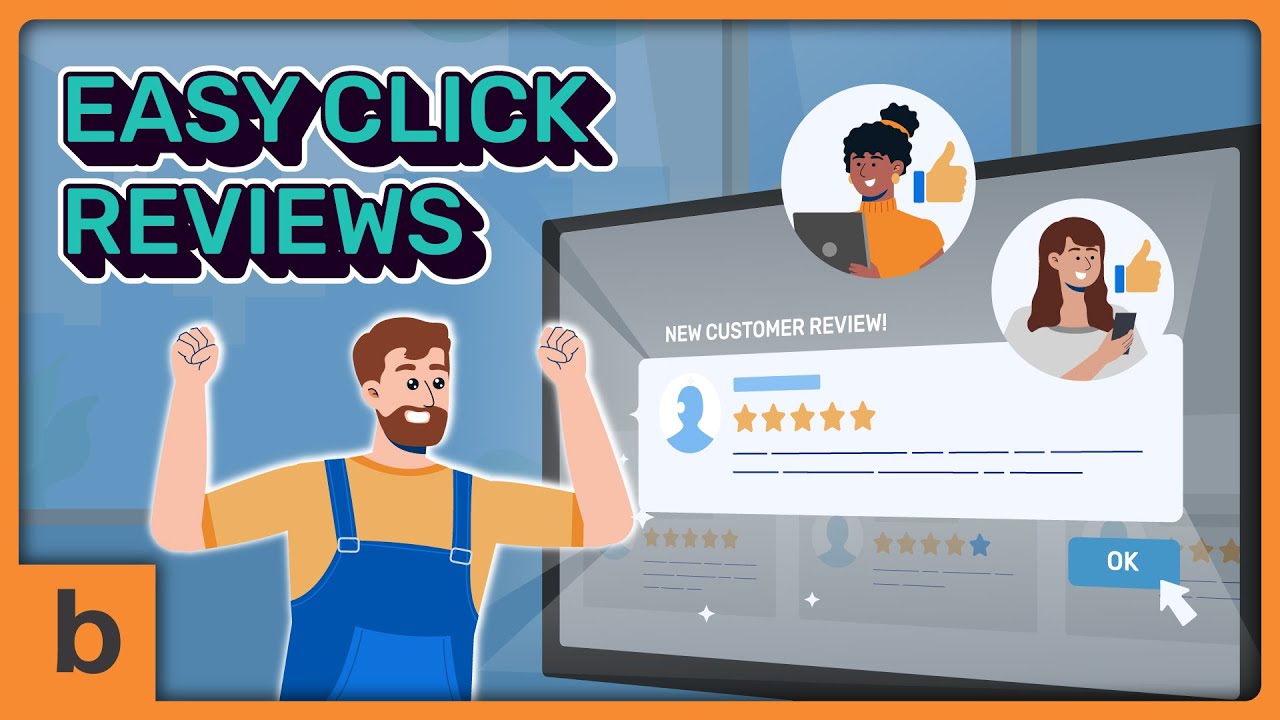
That alone shows how much people value visual, step-by-step guidance.
But what’s the difference now? Well, I noticed how-to content is splitting into two lanes.
Short, single-task clips (under 90 seconds) live on social feeds and get cut into multiple platform-native versions from one recording.
Longer, in-depth tutorials still perform on YouTube, but they now compete on retention, not just watch time.
Either way, tight editing and a clear payoff in the first few seconds matter more than ever.
2. Educational Videos
Around 65% of people process information better through visuals.
Our brains handle images up to 60,000 times faster than text, and roughly 90% of the information sent to the brain is visual.
That’s why educational videos remain one of the most effective ways to teach complex topics without overwhelming your audience.
I use them often for dense subject matter, breaking things into bite-sized, digestible segments.
The main shift in 2026 is production speed as AI tools now handle scripting, storyboarding, and even b-roll generation, which means smaller teams can produce polished educational content at a pace that used to require a full studio.
3. Funny Videos
Everyone loves a good laugh, and humor builds emotional connection and shareability faster than almost any other format.
Some of the internet’s most iconic viral moments, such as Numa Numa and Charlie Bit Me, didn’t go viral because they were polished.
They went viral because they were funny, relatable, and real.
That’s still the formula in 2026, if anything, more so: authenticity now outperforms production value, since audiences are quick to spot content that feels manufactured.
Humor should align with your brand voice and land naturally.
4. Explainer Videos
Explainer videos remain one of the most versatile formats out there.
The best traits I can say are that they’re short, engaging, and built for clarity.

I’ve used them for everything from investor pitches to social campaigns, and they perform well across a website homepage, YouTube, and LinkedIn.
The main evolution would be that explainers are increasingly designed to sound off first.
With most social viewing happening on mute, strong captions and visual storytelling now carry the message that voiceover used to.
If your explainer only works with sound on, you’re losing viewers before your point lands.
Read More: The Definitive Guide to Explainer Videos.
What are Proven Video Distribution Strategies for 2026?
The best video distribution strategies for 2026 include planning how you reach your audience, analyzing the right metrics, choosing the right channels, and constantly seeking new opportunities.
A video is meant to be seen, shared, and remembered, and that only happens with the right distribution.
Here are the strategies I rely on regularly to boost reach and engagement.
1. Plan How to Reach Your Audience
Posting a great video on your website and hoping for the best won’t cut it. You need a distribution plan that blends paid and organic effort.
If you’ve got a budget and want faster results, paid promotion through Google Ads or YouTube Ads gives you strong targeting.
On a tighter budget, you can still make real progress through organic channels, like Instagram, LinkedIn, YouTube Shorts, or email newsletters.
What matters is picking the mix that fits your goals and resources, and sticking with it consistently.
One thing I’d add for 2026 is that distribution planning now starts before production, not after.
Since one recording typically gets cut into multiple platform-native versions, I map out where each version will live before I even shoot.
2. Research What Your Audience Wants to Watch
Once I have a plan, I get laser-focused on the audience. Who am I actually creating this video for? Moreover, I dig into a few questions:
- What content do they enjoy most?
- When are they most likely to watch?
- How do they typically engage with similar content?
The more I understand these behaviors, the more effective (and cost-effective) my videos become.
When an audience feels like content was made for them, they watch, share, and act on it.
3. Analyze and Track the Right Metrics
This is where gut feeling becomes real insight. The key metrics I track depend on the goal, but basically I check all of them.
- Views & impressions: How many people are seeing it
- Play rate & replays: How often people click and rewatch
- Shares: How is the message spreading?
- Conversions: Are people taking the action I want them to?
- Reach & awareness. How far is it traveling?
If I’m driving sign-ups with an explainer video, I focus on conversions.
If I’m building awareness, I watch views and shares.
By analyzing results consistently, I learn what works and make each video better than the last.
4. Choose the Right Channels
Choosing the right video placement matters as much as the content itself.
A video can be excellent and still fall flat if it’s posted where the audience isn’t.
I start by understanding how my audience behaves on different platforms.
A video that performs well on YouTube might not land the same way on TikTok, not because it’s a bad video, but because it wasn’t built for that audience.
If I’m targeting business professionals, I go to LinkedIn. Matching the platform to the audience is the whole game.
5. Position a Clear Call to Action (CTA)
Views are great, but action is the point.
A subscribe, a site visit, a purchase. A clear CTA design is how I close the loop and keep the relationship going past the video itself.
I make CTAs concrete, such as on-screen text or buttons near the end, a voice-over prompt in animated videos, or a direct verbal ask in live-action ones.
Whatever the format, I never make the viewer guess what comes next.
6. Constantly Look for New Opportunities
Video marketing isn’t a one-and-done effort because the landscape moves fast.
What worked six months ago might not work today, and what works for one brand won’t necessarily work for another.
That’s why I keep testing new formats, platforms, and messaging rather than sticking with what’s familiar.
This is even more true in 2026, where AI tools and shifting platform algorithms mean the “right” approach can change within a single quarter.
I stay close to current data and trends, so my strategy keeps evolving alongside my audience rather than falling behind it.
How to Choose the Best Video Distribution Channels in 2026?
Distribution channels play a major role in how well your video performs, from your website to paid ads. Pick the right one for your business, and you’ll deliver your message far more effectively to the right audience.
Let’s walk through the channels worth considering.
1. Website
Your website works like a constant marketing representative. It’s where your audience learns who you are, whenever they choose to look.
Video fits naturally here because it delivers your core message in a more concise, direct way than plain text ever could.
Embedding video on your site also helps your SEO. Search engines continue to favor video content, which improves your odds of ranking higher in search results.
Landing Pages
Landing pages exist to convert visitors into leads, and video is one of the most effective ways to boost engagement and conversion there. A well-placed video builds trust in your product and nudges visitors toward a purchase decision.
Blogs
Adding video to your blog posts lets you deliver your message instantly, complementing your written content and reinforcing your core point. It’s a fast way to give readers useful information without asking them to read more than they want to.
2. Newsletter Email
Embedding video in email still moves the needle. It can lift open rates by at least 19% and click-through rates by up to 65%.
Subscribers get flooded with emails every day, and a plain, text-only message is easy to skip past.
Video gives you a better shot at catching their attention the moment they see your subject line, one of the few remaining edges in an increasingly crowded inbox.
3. Social Media Platforms
Social media remains a mainstay for video distribution. It’s easy to use, mostly free, and enormous in scale.
As of early 2026, there are 5.79 billion social media user identities worldwide, meaning more than two in three people on Earth now use social media each month.
That’s a massive pool of potential reach, though it’s worth noting these are user identities, not unique humans. The average person now runs several platforms at once.
The channels worth prioritizing haven’t changed much in name, but their role has:
- YouTube
- TikTok
What’s different in 2026 is how much these platforms now double as storefronts.
Video and native checkout features mean a well-placed video can move someone from watching to buying without ever leaving the app.
Groups and Forums
One of the best things about social platforms is the ability to join communities built around specific interests.
I make a point of sharing videos in relevant groups and forums (Facebook groups, niche communities, or a private community if I have one), since these audiences tend to be more engaged than a cold feed.
Paid Ads
If free distribution feels too slow, paid video ads are the fastest way to reach a targeted audience.
Platforms like Google Ads let me zero in on specific demographics and get quicker results, which is why brands with bigger budgets often lead with paid, then shift to organic channels like social media once they’ve found their footing.
The advantage of paid over free is that it is free and in control.
I can narrow targeting down to hyper-local geography, specific interests, or exact keywords, which free platforms simply can’t match.
Read More: 7 Actionable Tips to Optimize Your AdWords Video Campaign.
Useful Tips to Maximize Your Video’s Distribution
In my experience helping brands grow with video, small optimizations at the distribution stage often matter as much as the production itself. A few crucial elements are often overlooked, especially by teams focused solely on making the video look good.
Here’s what I pay close attention to, and what I’d recommend you do too.
1. Create an Enticing Thumbnail
The thumbnail is one of the first things I check before publishing anything. It’s the first impression, and it often decides whether someone clicks or scrolls past.
From years of testing, a good thumbnail tends to:
- Use high-contrast colors
- Feature clear, relevant imagery
- Include a short, readable headline or visual hook
They need to grab attention in a fraction of a second, especially now that feeds move faster and attention spans are shorter than they were even a couple of years ago.
Get this right, and click-through rate improves, sometimes dramatically.
2. Choose a Curiosity-Provoking Title
I’ve tested a lot of video titles over the years, and one pattern holds up consistently: curiosity drives clicks more than description does.
A title should give people a reason to watch. It needs to stand out in a crowded feed and earn the click on its own.
One habit I’ve kept is to check competitor titles first, then make mine different.
Adding a specific detail, whether a data point, a case study result, or a personal experience, tends to make a title stand out more than a generic description ever will.
3. Target the Right Keywords
If you want a video to stay discoverable long after it’s posted, SEO still matters, especially on YouTube, which functions as much like a search engine as a video platform.
Here’s what I do:
- Research what my audience is actually searching for, using tools like Google Keyword Planner, YouTube autocomplete, or Ubersuggest
- Weave those keywords naturally into the title, description, and tags
- Mention them directly in the script, since accurate spoken keywords improve auto-captioning and searchability
One shift I’d flag for 2026 is that search itself has changed.
More discovery now happens through AI-powered, conversational search on YouTube and beyond, which tends to reward videos that answer a specific question clearly, not just ones stuffed with keywords.
I still do traditional keyword research, but I also think about the actual question someone would ask an AI assistant and make sure my video answers it directly in the first few seconds.
Get this right, and a video keeps getting picked up in suggested content and search results long after.
Start Your Brand’s Unique Growth
Rome wasn’t built in a day, and the same goes for a successful video marketing strategy.
If there’s one thing I’ve learned from helping brands grow with video, it’s this: video distribution takes time, testing, and a whole lot of patience.
You can’t expect instant results, but with the right approach, you can build a system that consistently brings in views, engagement, and conversions over time.
Every brand is different. What works for one company might not work for yours.
That’s why it’s essential to explore, experiment, and refine your strategy until you find what truly fits your audience and goals.
Simply put, video distribution takes time and needs patience.
From testing what works for your brand to trying different strategies, it all boils down to creating a plan that works for your brand for the long haul.
Still trying to figure out which type of video delivers the most impact?
In my experience, explainer videos are among the most versatile and high-performing formats out there.
Mini FAQs on Video Distribution
1. What is video distribution?
Video distribution is the strategic process of sharing and promoting your video content across multiple platforms and channels to reach your target audience.
From my experience, it’s not just about uploading a video. It’s about placing it where it can gain visibility, generate engagement, and drive action.
A solid distribution strategy ensures your content doesn’t get lost in the noise.
2. Is a YouTube video a VOD?
Yes, a YouTube video is considered a form of Video on Demand (VOD). VOD simply means video content that can be watched anytime, anywhere.
Platforms like YouTube, Vimeo, and even social media videos fall under the VOD category because viewers can access them on demand.
When we distribute content for clients, VOD platforms are often a go-to for building long-term visibility.
3. What is the best video distribution platform?
There’s no single “best” platform. It depends entirely on your goals and audience.
- YouTube is great for SEO and long-term discoverability.
- LinkedIn works best for B2B content and professional audiences.
- Instagram and TikTok are ideal for short, viral clips.
- Facebook can be powerful for community-based engagement.
From what I’ve seen, using a mix of platforms—tailored to your audience behavior—yields the strongest results.
4. What are the four distribution channels?
The four main types of video distribution channels are:
- Owned media – Platforms you control (e.g., your website, email list)
- Earned media – Organic exposure (e.g., shares, mentions, PR)
- Paid media – Advertising (e.g., YouTube ads, social media boosts)
- Shared media – Social media channels (e.g., LinkedIn, Twitter, Facebook)
A balanced distribution strategy usually involves using all four to maximize reach and impact.
5. How can I measure the success of my video distribution efforts?
Success metrics depend on your goals. For awareness, track views, impressions, and shares. For engagement, monitor watch time and play rate.
For conversion goals, focus on clicks, signups, or sales. Always review performance data to refine your strategy and improve future results.
Ready to create a video for your brand?
Work with Breadnbeyond and get a FREE consultation to kickstart your video journey.
Or click the banner below to know an estimated budget for your project!