Table of Contents ×
- 1 Is the Future of Animation More Collaborative or More Automated?
- 2 What Animation Styles Are Trending in 2026?
- 2.1 1) Mixed Media
- 2.2 2) Retro-Style Cartoon Animation
- 2.3 3) AI-Generated Pixar-Style Animation
- 2.4 4) Minimalistic Dynamic Kinetic Typography
- 2.5 5) Surrealism Collage Animation
- 2.6 6) Deep Glow Motion Graphics
- 2.7 7) Doodle Animation
- 2.8 8) 3D Billboards
- 2.9 9) Psychedelic-Style Animation
- 2.10 10) Anime-Style Animation
- 3 What Does All This Mean for Animators and Creative Jobs?
- 4 What Skills Should Animators Start Learning Now for 2026 and Beyond?
- 5 Wrapping Up: Where We’re Headed
- 6 Mini FAQs for Top Animation Trends
Real-time rendering, generative AI, and virtual production have quietly changed what it means to animate something.
What used to take days of painstaking keyframing can now be prototyped in an afternoon.
And rather than homogenizing everything, these tools have actually opened the door to more style diversity — not less.
I’ve watched indie creators using AI-assisted tools in ways that rival studio output, and major studios blending 2D and 3D in ways that would’ve been cost-prohibitive just a few years ago.
2026 is shaping up to be the year when technology and imagination genuinely work in tandem.
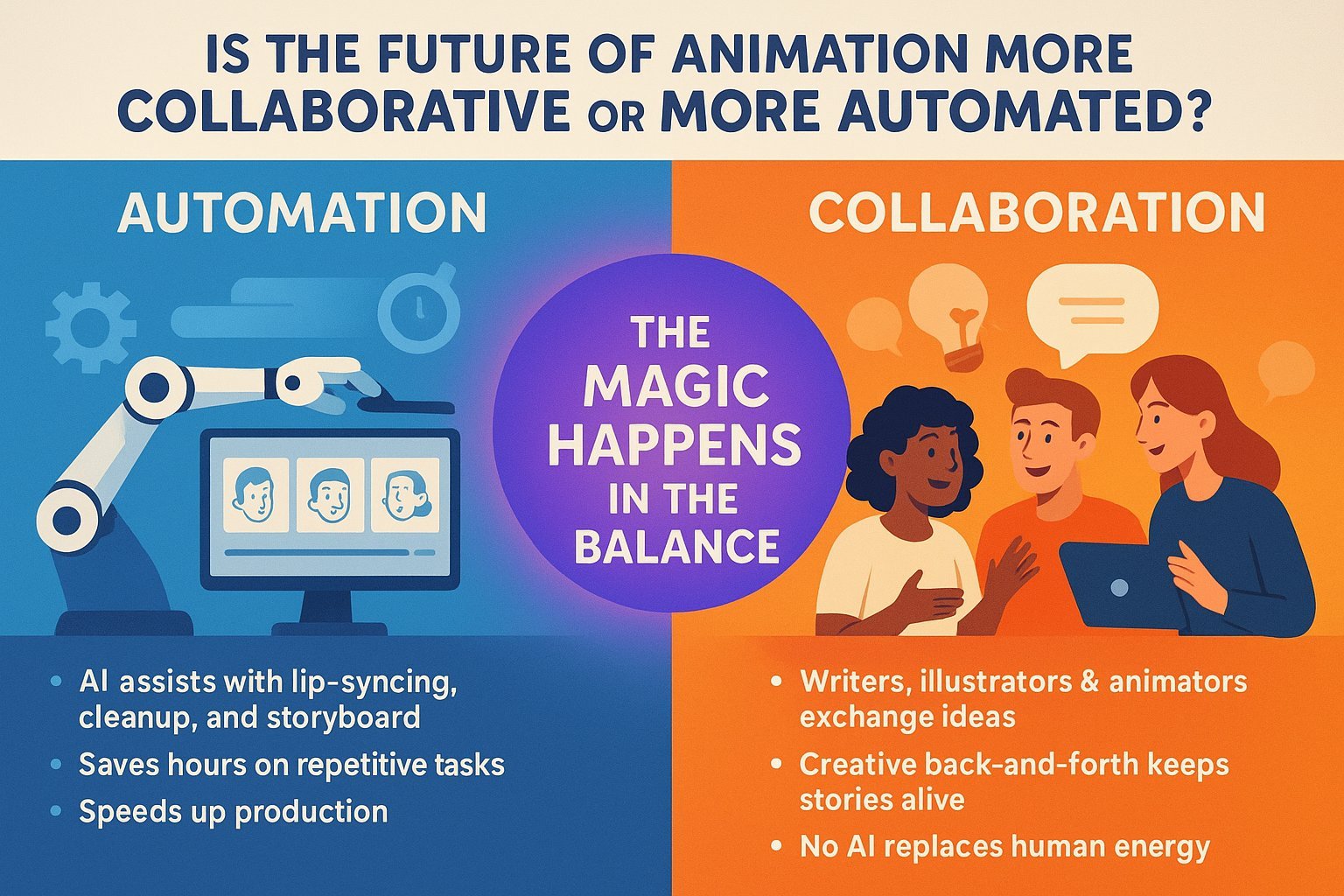
Is the Future of Animation More Collaborative or More Automated?
Both, and they fuel each other.
AI tools now handle the repetitive and time-consuming parts of my workflow: lip-syncing, cleanup, and early ideation drafts. That saves hours.
But what it gives back isn’t idle time.
Instead, a space for the things that actually matter: the back-and-forth between writers, illustrators, and animators, the wild ideas that get thrown around on calls, the experimentation that continues until a story feels right.
Honestly speaking, automation is transforming how I produce videos, but collaboration is what gives them heart
What Animation Styles Are Trending in 2026?
I’ve spent countless hours watching trends shift, and I’d say that in 2026, the most compelling projects are rarely the ones that chase a single popular style.
Everything from 2D nostalgia to hyper-real 3D animation and hybrid animation is thriving.
They’re the ones where the style serves the story, like a 2D narrative with 3D depth, a minimalist motion graphic with cinematic lighting.
That said, some animation styles are clearly having a moment. Here are ten I’m seeing everywhere:
- Mixed media
- Retro-style cartoon animation
- AI-generated Pixar-style look
- Surreal collage animation
- Deep glow animation
- Immersive motion graphics
- 3D billboards
- Maximalism outlines
- Animated brand identities
- Anime-style animation
1) Mixed Media
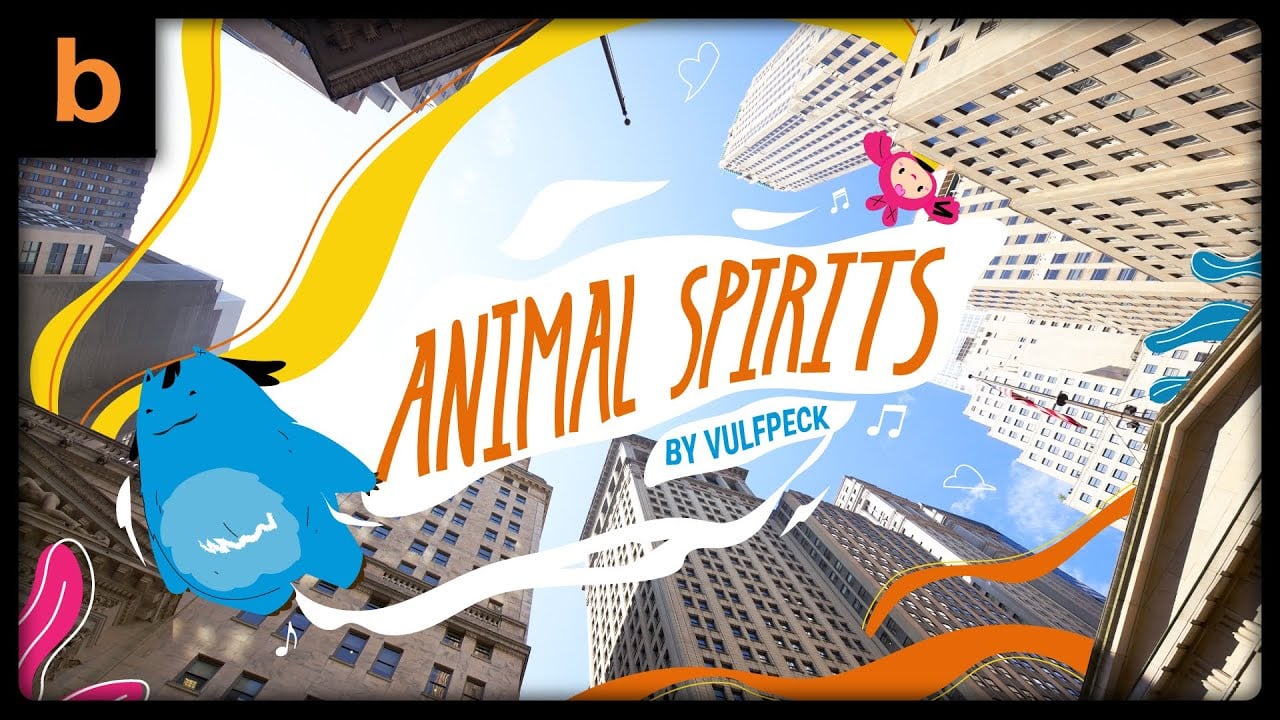
Animators are blending 2D, 3D, live-action, and even AI-generated elements to create visuals that feel fresh and unpredictable.
This mashup style gives stories texture and depth while keeping audiences hooked with constant visual surprises.
I typically reach for this style when a client wants something that feels cinematic but still approachable, like combining a sleek 3D product shot with hand-drawn 2D elements or playful textures.
One music video project had my team combining live-action cityscapes with 2D doodles and animated characters, and the contrast was exactly the kind of thing people screenshot and share.
From explainer videos that mix illustrated characters with real footage to ads that combine motion graphics and photorealistic 3D, mixed media offers limitless creative freedom.
2) Retro-Style Cartoon Animation
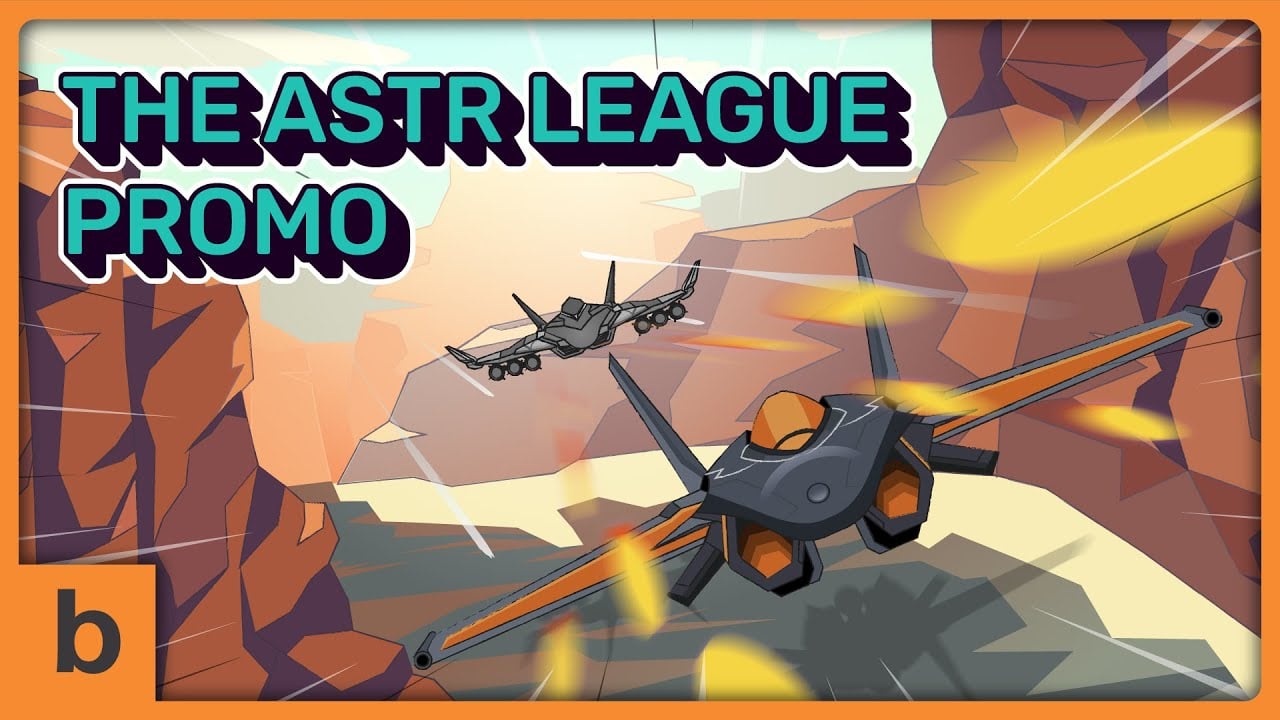
Retro-style cartoon animation is making a big comeback in 2026 and for good reason. It taps into nostalgia, but with a modern twist.
We crave something familiar in a digital world that’s constantly changing, and that old-school hand-drawn charm feels warm, human, and authentic.
Brands and creators are using this style to stand out from sleek, hyper-polished visuals.
The rough lines, limited color palettes, and exaggerated expressions feel real.
When paired with modern storytelling or witty scripts, the contrast creates instant appeal.
I used this style for an esports tournament intro.
Bold lines, snappy poses, and comic-book-inspired faces captured that “Saturday morning hero” energy while still feeling current for a gaming audience.
It gave the event personality and nostalgia without feeling dated.
It gave the event a sense of personality and nostalgia, but still felt current enough for a gaming audience.
3) AI-Generated Pixar-Style Animation
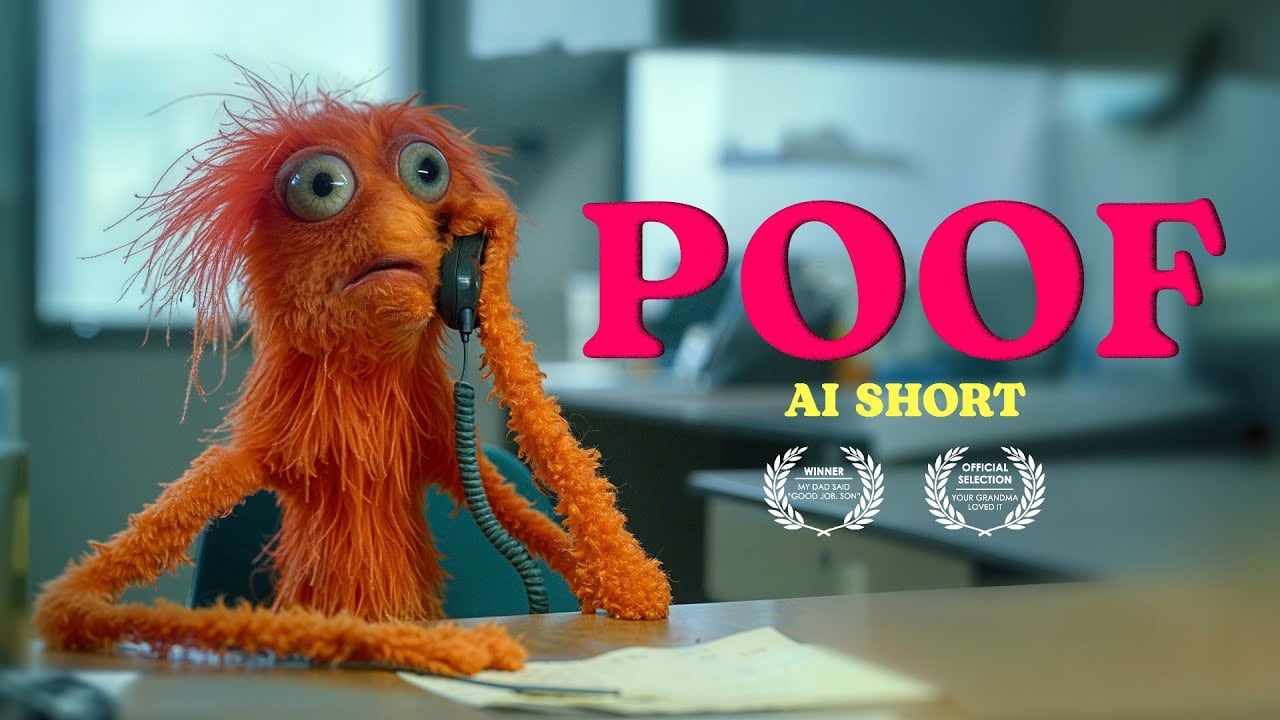
AI-generated Pixar-style animation has taken over TikTok and social media, and it’s easy to see why.
The emotional, cinematic look of Pixar films is universally loved, and AI tools now make it possible to approximate that glossy, heartwarming style in minutes.
What’s interesting from a production standpoint is how this has lowered the barrier for solo creators and smaller studios.
Storytelling that once required a full 3D pipeline can now be explored at the concept stage, letting teams make creative decisions earlier and faster.
4) Minimalistic Dynamic Kinetic Typography
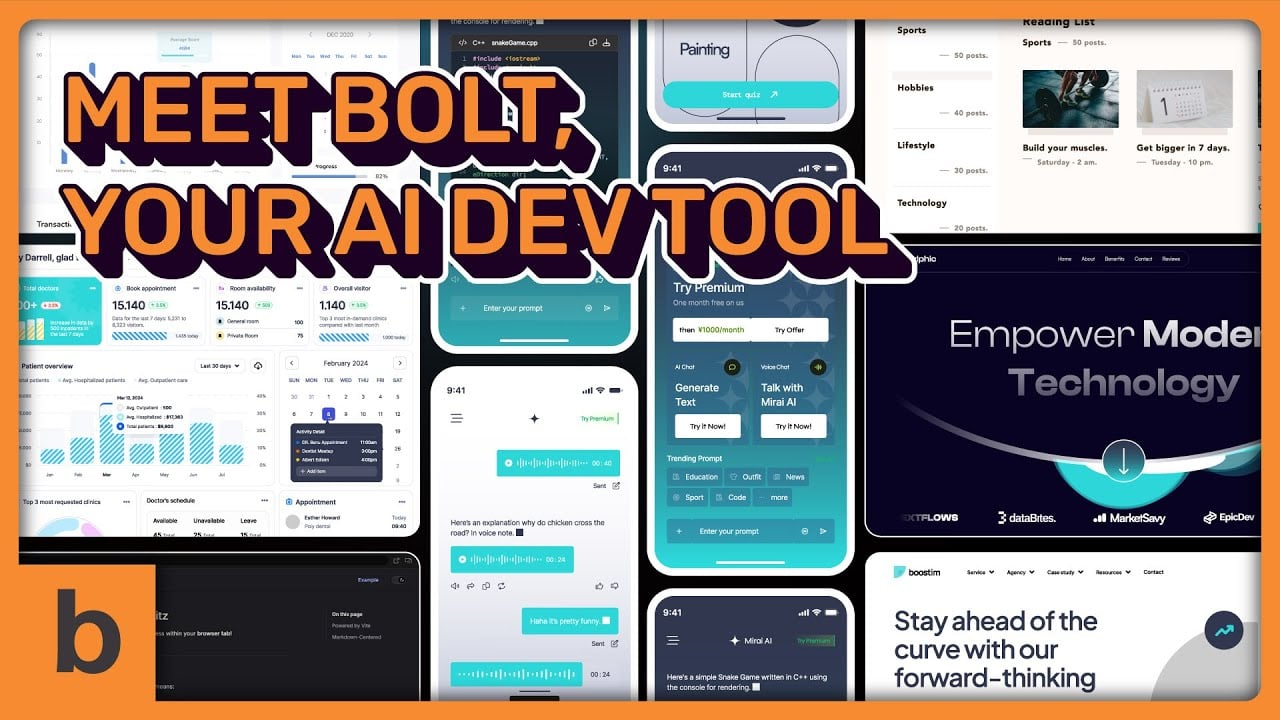
Minimalistic kinetic typography has become the go-to animation style for big tech brands that want to look elegant, expensive, and intuitive.
Companies like Apple, Google, and Microsoft are leaning into this clean, motion-driven aesthetic, where every movement feels purposeful, and every word lands with precision.
I reach for this style when the goal is clarity over spectacle.
For brands that value simplicity and innovation, dynamic typography communicates confidence and modernity without relying on heavy visuals.
5) Surrealism Collage Animation
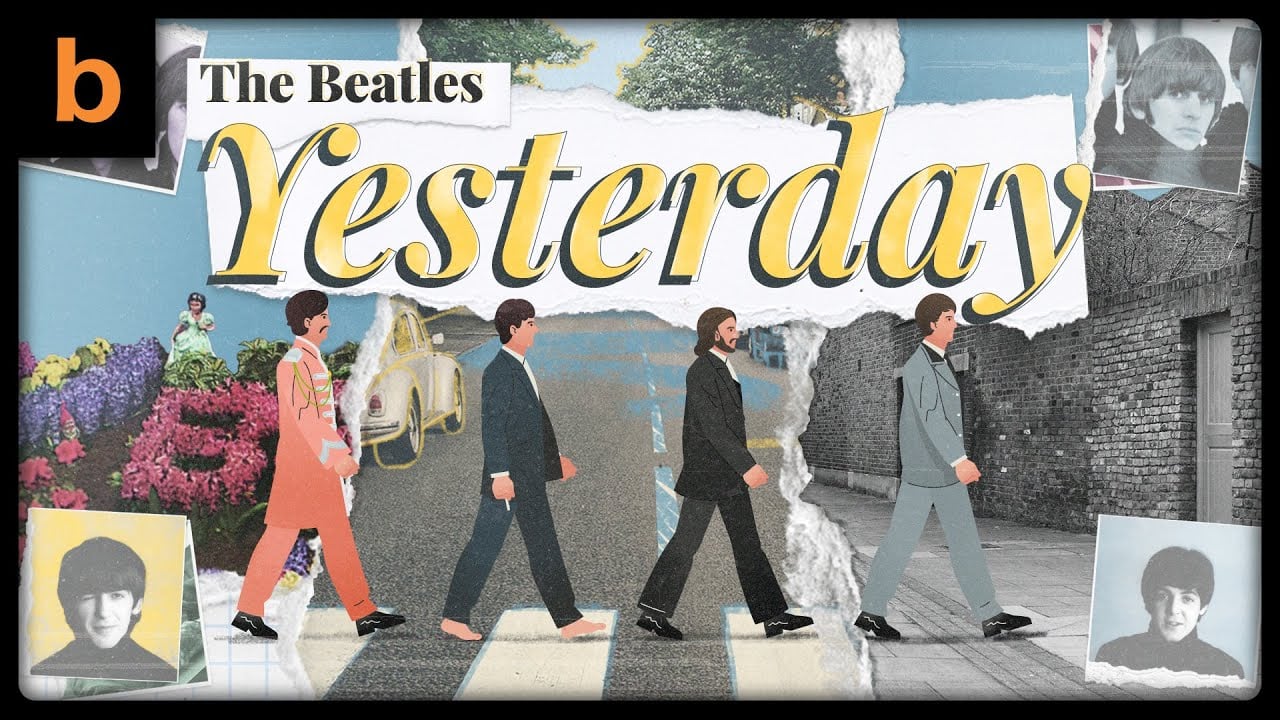
Surrealism mixes vintage photos, cut-out textures, and dreamlike imagery to create visuals that feel both nostalgic and weirdly futuristic.
I can see platforms like Instagram Reels and TikTok are full of these surreal loops that feel more like moving art than traditional animation.
Indie creators and fashion brands especially love it because it carries that art school meets internet “chaos” theme, abstract yet meaningful.
It’s one of the few styles where imperfection is part of the aesthetic.
6) Deep Glow Motion Graphics
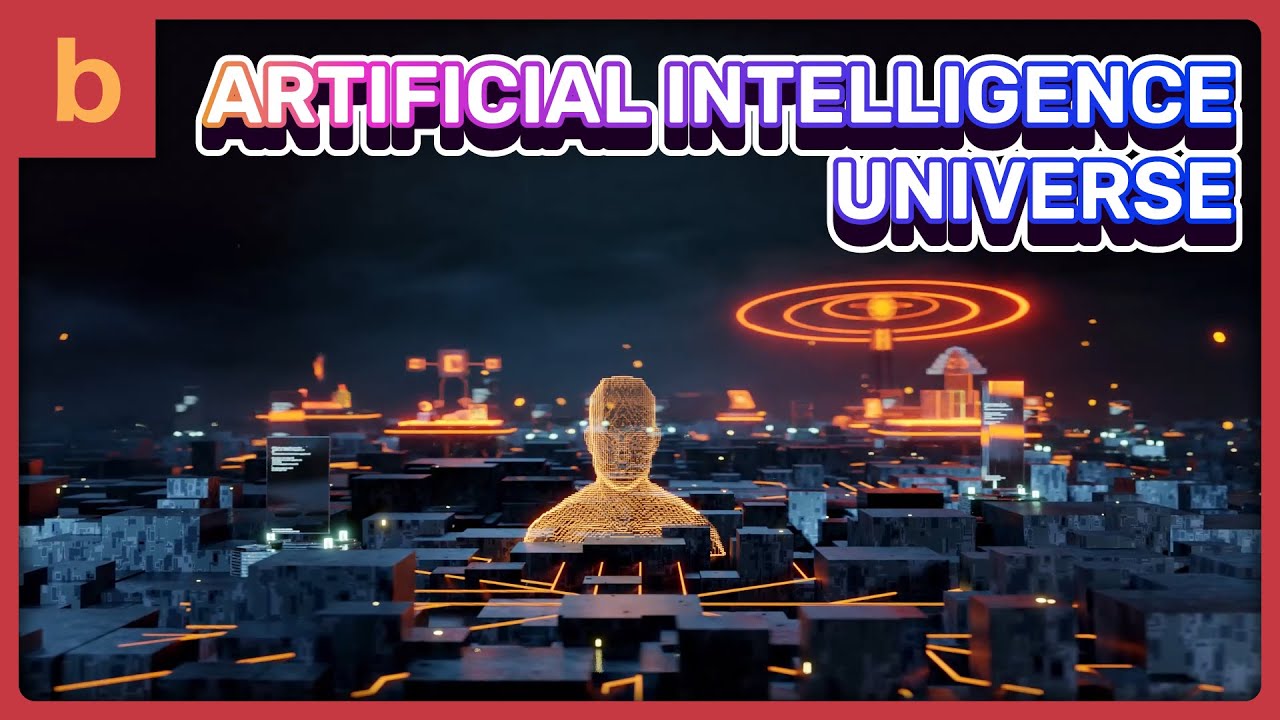
This style uses glowing gradients, neon trails, and soft diffusion effects to create visuals that feel futuristic, immersive, and alive.
It’s the kind of look that instantly grabs attention, whether it’s for a product launch, a music video, or a tech brand ad.
Big names in fintech, gaming, and entertainment are leaning into this trend because it radiates innovation and high energy
I usually use this futuristic-looking animation for UI animations, pulsing light transitions, and logo reveals that look like they’re powered by electricity.
Deep glow motion graphics work because they turn simplicity into spectacle.
Even a single line of text or a logo can feel powerful when surrounded by light, depth, and motion that almost feels touchable.
7) Doodle Animation
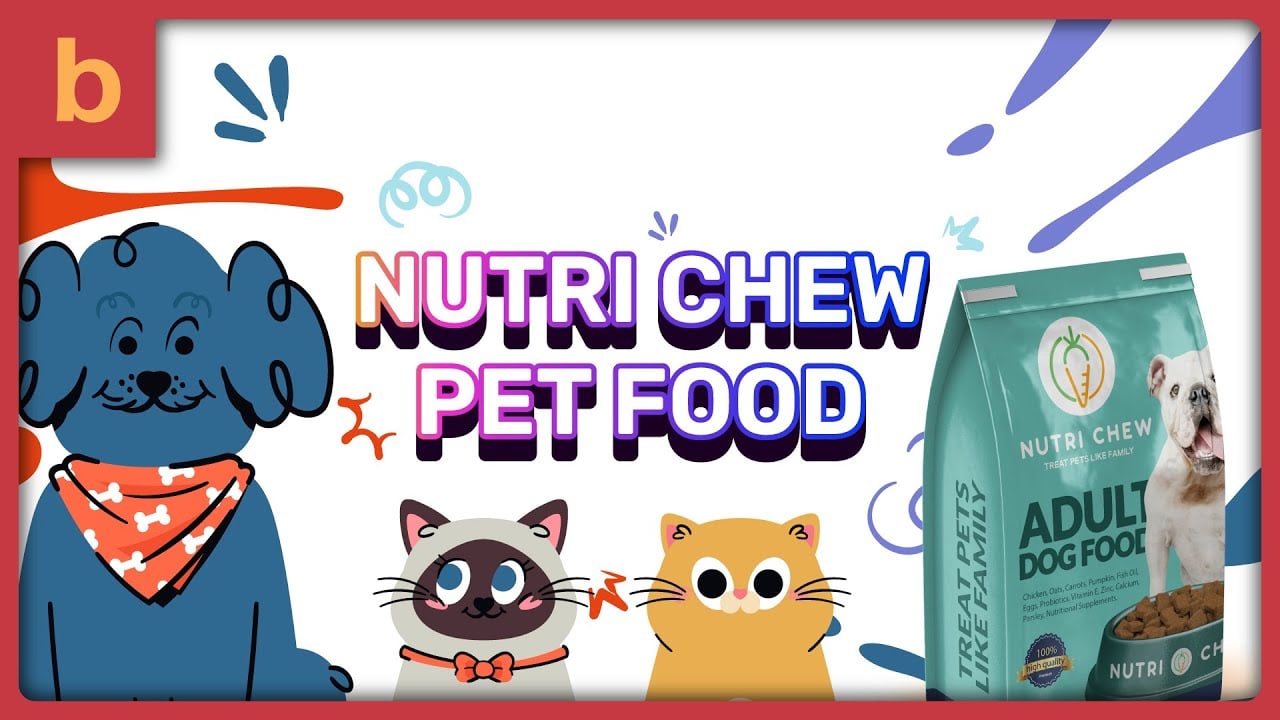
Doodle animation has an effortless charm.
From my experience, brands love it because it breaks down formality and connects emotionally, especially when targeting younger audiences or pet owners.
My team once created a doodle cartoon for a pet food brand featuring sketchy, playful animal characters.
This type of animation is best suited for lifestyle, education, or pet-related brands, essentially any brand that wants to feel friendly, creative, and down-to-earth rather than sleek or corporate.
8) 3D Billboards
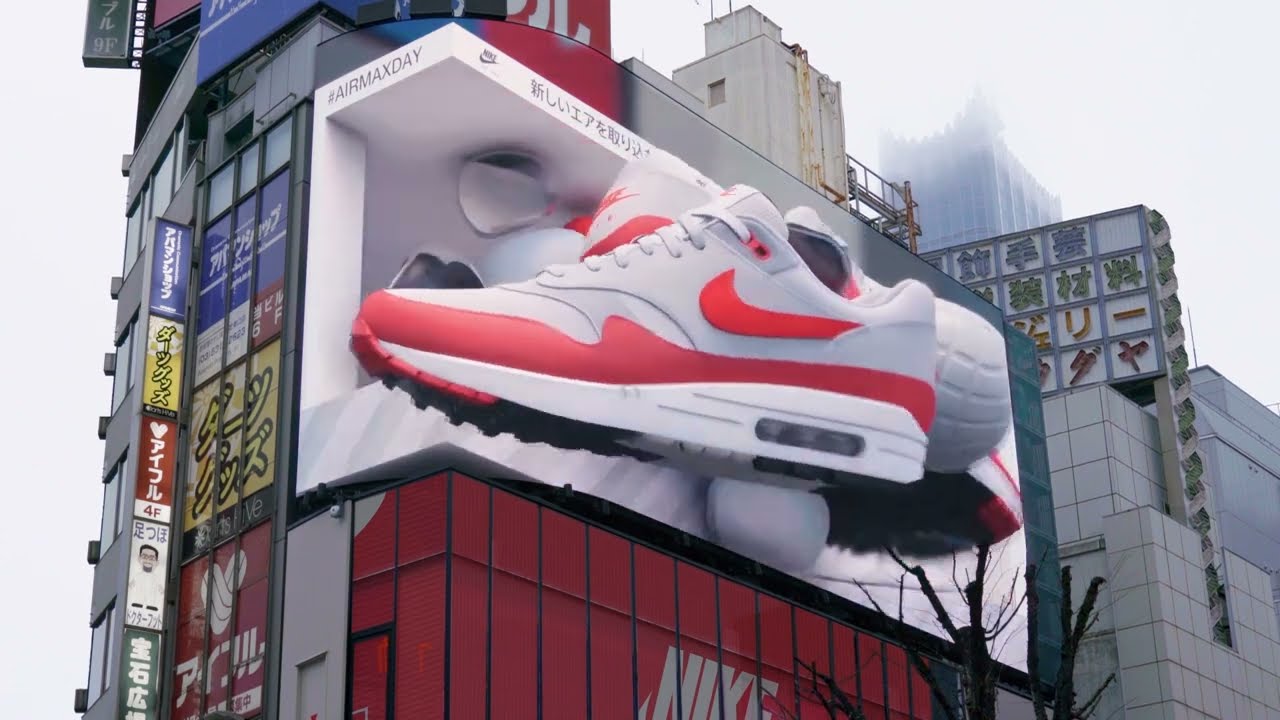
3D billboards turn ordinary city corners into jaw-dropping spectacles.
Using anamorphic 3D design, they make visuals appear to burst out of the screen.
They trick your eyes with clever perspective and make it look like a giant cat, shoe, or character is breaking out of the building.
From a creative standpoint, I love how they turn animated commercials into mini experiences.
People just love them, and that’s why they film them, share them, and make them go viral.
9) Psychedelic-Style Animation
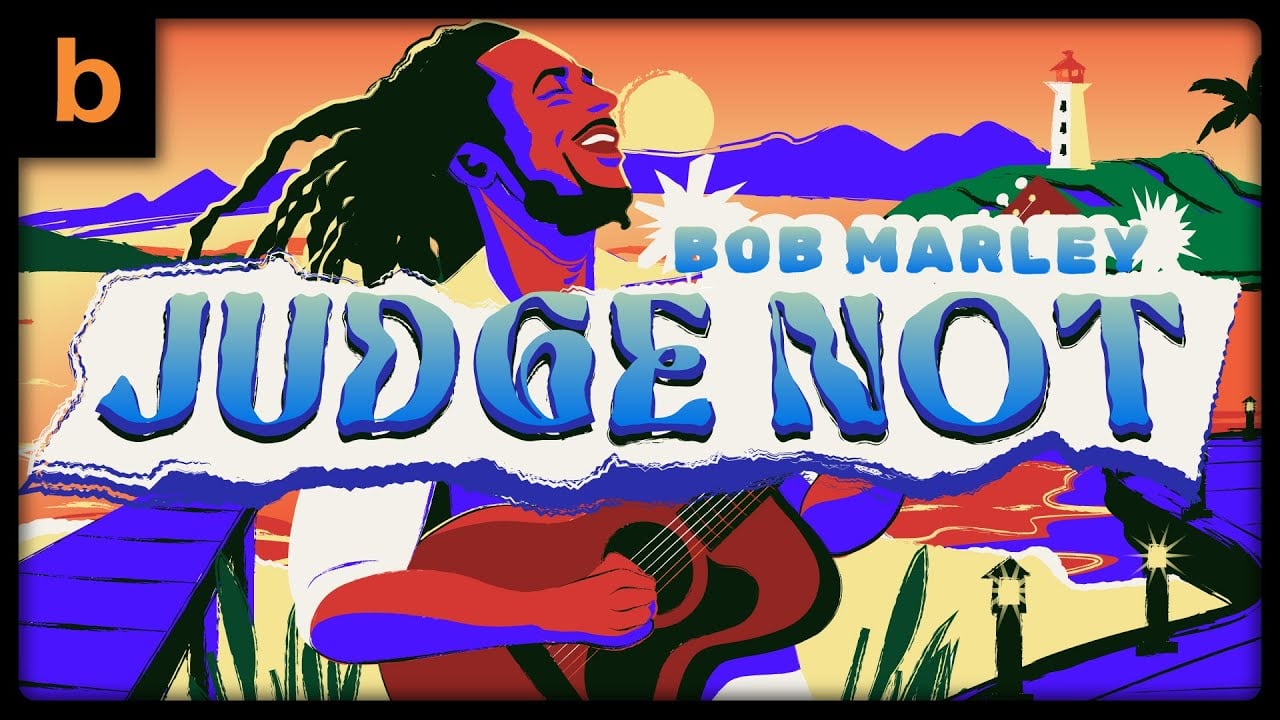
Maximalism outlines are the total opposite of minimalism.
Bold colors, thick strokes, and layers.
Personally, I think it’s a refreshing comeback from the overly clean, corporate flat styles we’ve seen for years.
It’s chaotic, but in a good way that is expressive, nostalgic, and full of energy.
This style clicks especially well on social media because it feels alive and human-made, not overly polished or AI-perfect.
10) Anime-Style Animation
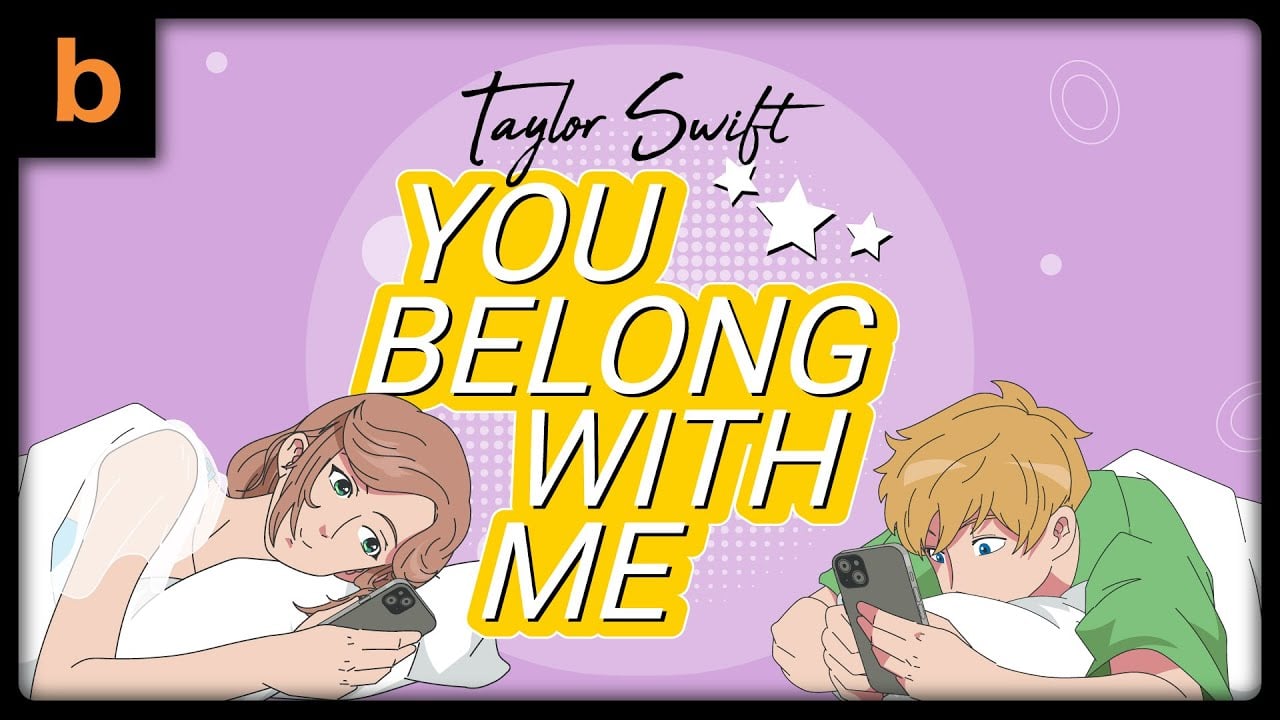
Anime-style animation has become the go-to aesthetic for indie creators and TikTok storytellers, especially with the chibi, cute, exaggerated expressions.
It’s accessible, emotionally charged, and instantly recognizable.
They feel personal and offer a way to express moods, humor, or even brand messages in a format that feels alive.
Brands have caught on, too. Instead of trying to look overly Western-polished, many now collaborate with anime-inspired artists to tap into that warmth and fandom energy.
What Does All This Mean for Animators and Creative Jobs?
The jobs are evolving. The rise of AI and automation in animation doesn’t mean fewer opportunities.
According to the Bureau of Labor Statistics, job opportunities for American animators and special effects artists are projected to grow by 8% between 2022 and 2032, faster than most other professions.
What’s changing is the nature of the work.
Animators who once spent hours polishing keyframes are becoming creative directors, visual strategists, and storytellers.
I’ve watched team members who specialized in character rigging grow into creative directors, learning to guide AI tools rather than compete with them.
The technical barrier to entry is lower than it’s ever been, but the creative bar is higher.
So while the workflow might look different (less about drawing every frame and more about crafting the overall vision), the core creative muscle remains the same.
Here’s how the shift is playing out:
- New creative roles are emerging. AI becomes the animation supervisor, visual strategist, or motion design curator. Animators are evolving into creative leads who know how to orchestrate both humans and machines to achieve a cohesive story.
- Technical skills are becoming less about manual execution. The need for software mastery (such as frame-by-frame cleanup) is being replaced by the ability to direct AI outputs, fine-tune generative scenes, and make artistic calls on what feels authentic.
- Remote and cross-disciplinary collaboration is the new norm. Cloud-based tools and real-time rendering platforms are letting animators, editors, and sound designers work together across time zones.
- Creative strategy is becoming a must-have skill. Studios and clients expect animators to think beyond visuals to understand audience psychology, marketing goals, and narrative flow.
- Emotional storytelling still wins. AI can’t replicate live experiences, humor, or cultural nuance. The animators who stand out are those who bring a human heartbeat to digital work.
What Skills Should Animators Start Learning Now for 2026 and Beyond?
The fundamentals — timing, motion, character — will always matter. But the skill set around them is expanding.
There are at least four must-have specific skills that animators should start learning for 2026 and beyond:
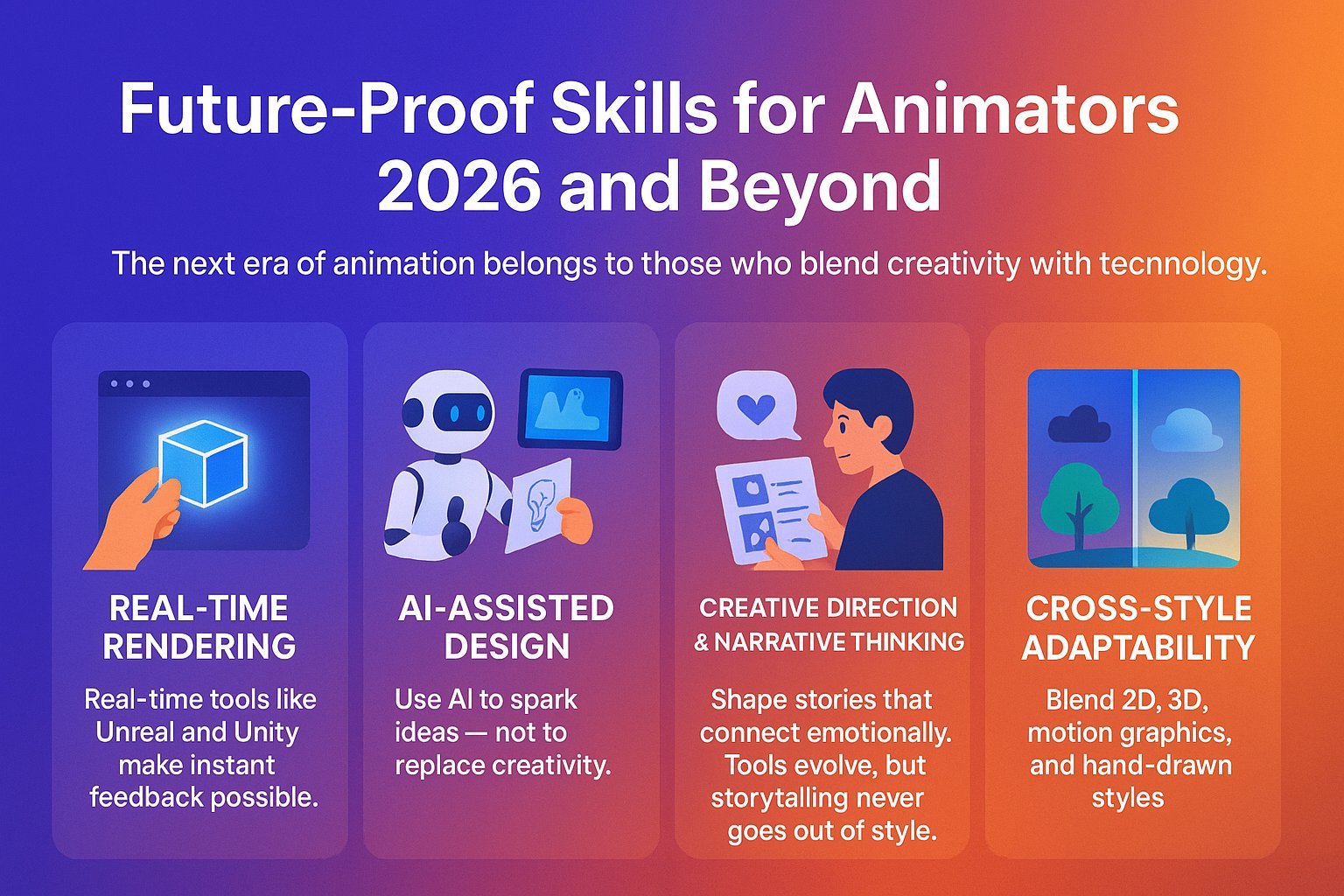
Real-time Rendering
This is easily one of the biggest game-changers heading into 2026.
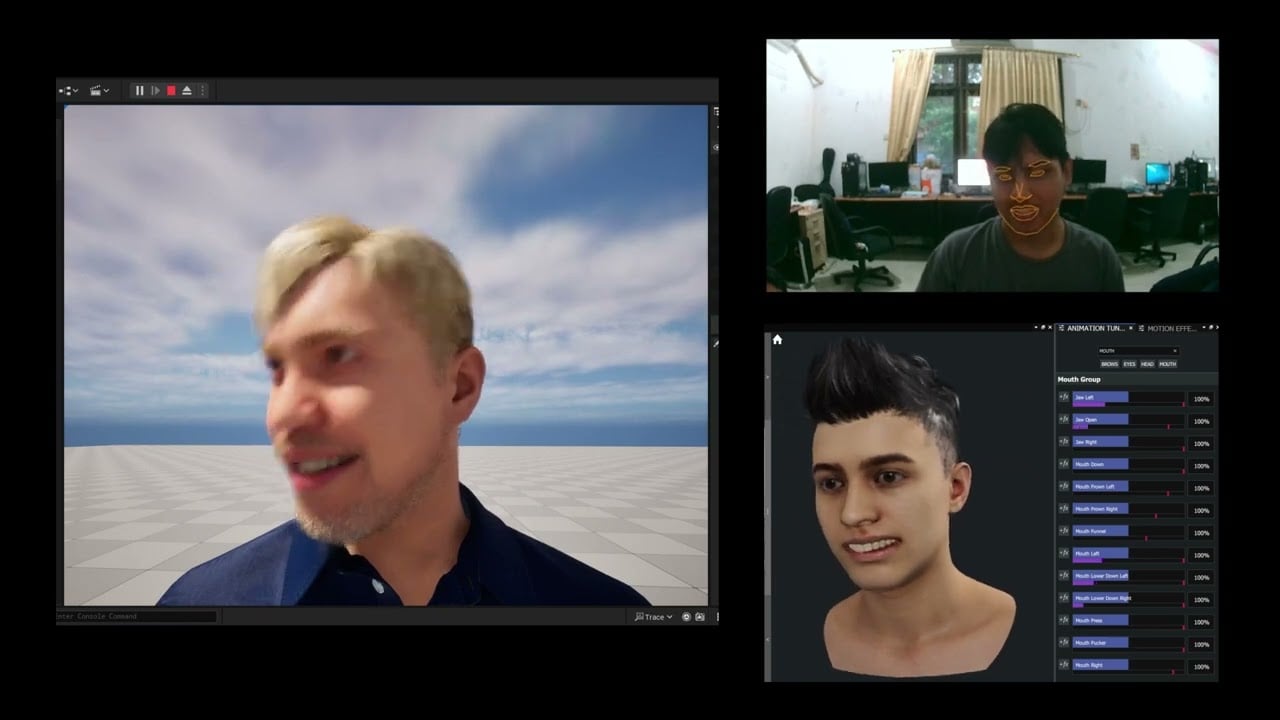
Real-time rendering powered by engines like Unreal, Unity, and Blender’s Eevee is transforming animation from a slow, frame-by-frame grind into a fluid, interactive process.
You can tweak lighting, adjust camera angles, or test textures on the spot without waiting hours for renders to finish.
We use this approach in our workflow using Unreal Engine 5 for previsualization, lighting tests, and exploring scene depth on the fly.
It’s helped us cut down production time while giving our creative team more freedom to experiment visually.
AI-Assisted Design
AI tools can now generate concept art, help build storyboards, design characters, and even suggest motion timing or lip-sync cues.
But the key is knowing how to use them, not letting them take over.
We use AI as a springboard for ideas. At breadnbeyond, our team now starts a project by feeding a prompt into an AI image generator to explore visual directions we might not have thought of on our own.
It helps us break creative blocks faster and spark discussions that lead to something uniquely ours.
Working on the animation still requires a lot of handcrafted illustrations, but we can spend more hours on what really works rather than spending unnecessary time on trial and error.
Creative Direction and Narrative Thinking
As tools get smarter and production becomes faster, the real value lies in what you choose to say and how you say it.
People want stories that connect, simplify complex ideas, and move people to action.
That’s where creative direction comes in, shaping tone, pacing, and visual style so that everything works together to serve the message.
Narrative thinking, on the other hand, is the backbone of any successful animation.
It’s knowing when to build tension, when to add humor, and when to let silence do the talking.
Cross-Style Adaptability
If there’s one thing I’ve learned from years of producing explainer videos, it’s that no single animation style fits every story.
Animators who can move fluidly between 2D, 3D, motion graphics, and mixed media, and know why one fits better than another, are the ones studios and clients want to hire.
Wrapping Up: Where We’re Headed
As someone who’s seen trends come and go, I’d say we’re standing at a pretty wild crossroads. Tools are getting smarter, styles are evolving faster than ever, and audiences expect more authenticity and imagination at once.
The real challenge now is staying human in the process, keeping your integrity intact while making sure automation doesn’t consume your creativity.
For creators like us, the way forward is to blend tech with taste: embrace new tools, but never lose the storytelling soul that makes animation more than motion.
That’s exactly what we do at Breadnbeyond. Whether it’s hand-drawn, 3D, or AI-assisted, we keep creativity at the core. Want to see what your next animated video might cost? Try our Video Cost Calculator.
Mini FAQs for Top Animation Trends
1. How is AI changing animation?
AI automates in-between frames, accelerates asset generation, and assists in visual storytelling. This frees animators from mundane tasks and helps them to focus more on creative decisions. Various generative image platforms have become part of the standard production toolkit.
2. Are 2D animations still relevant?
Absolutely. 2D animation remains a go-to for explainer videos, social media content, and indie projects because of its charm, flexibility, and relatively lower production cost. Several of the styles in this list (retro cartoon, doodle, anime-style) are all 2D.
3. What role does 3D animation play today?
3D animation dominates film, gaming, and advertising, offering realistic visuals, complex simulations, and immersive experiences. It’s also increasingly being used alongside 2D in mixed-media projects.
4. How are animation workflows evolving?
Animators are combining traditional skills with AI tools, cloud collaboration, and real-time rendering engines to produce content faster and with more creative flexibility than before.
5. Which platforms are driving animation trends?
Streaming services, AR/VR experiences, and social media platforms — particularly TikTok and Instagram Reels — are shaping what styles get traction and how animation is consumed.