
Table of Contents ×
- 1 Why Do New Crypto Users Fall for Scams in the First Place?
- 2 How Can Explainer Videos Actually Prevent Crypto Scams?
- 3 What Should a Crypto Explainer Video Include to Actually Protect Users?
- 4 Can an Explainer Video Replace Proper Security Education?
- 5 At What Stage Should Crypto Projects Invest in an Explainer Video?
- 6 What Mistakes Do Crypto Teams Make When Creating Explainer Videos?
- 7 The Takeaway: Make Understanding Your Competitive Edge
- 8 Mini FAQs Explainer Videos for Crypto Projects
Explainer videos help prevent crypto scams by teaching users how things actually work so they make informed moves instead of decisions driven by confusion.
I’ve worked with dozens of crypto platforms, so I’ve seen bull runs, brutal crashes, rebrands, pivots, and unfortunately… scams. Lots of them.
Most users fall for crypto scams because they’re confused. I don’t blame them. Crypto is complex. When people don’t understand wallets, seed phrases, or gas fees, they rely on hype and whoever sounds most convincing. And that’s where scammers win.
So, I’m writing this practical guide for crypto founders, marketing teams, and product leaders who want to use explainer videos strategically, so we can actively reduce user mistakes and prevent scams before they happen.
Why Do New Crypto Users Fall for Scams in the First Place?
Because they don’t fully understand what they’re doing and when confusion meets urgency, scams win.
Let’s be honest. Most new users don’t wake up thinking, “Today I’ll send my funds to a fake wallet.” They get there step by step.
First, they’re excited. Maybe they heard about a new token launch. Maybe a friend made money. Maybe Crypto Twitter is loud that week. Then they land on a platform filled with unfamiliar terms: seed phrase, private key, staking, bridging, liquidity pool.
At this point, they’re not evaluating risk logically anymore. They’re trying to keep up.
Confusion creates cognitive shortcuts. When users don’t understand the mechanics, they look for signals instead:
- Does it look professional?
- Is the website clean?
- Is there a countdown timer?
- Are other people saying it’s legit?
Scammers know this. That’s why scam projects often invest heavily in visual polish and urgency triggers, because new users don’t know what real security looks like.
In my experience directing crypto explainer videos for years, the biggest vulnerability isn’t greed. It’s knowledge gaps. And if we don’t intentionally close those gaps through education, someone else will fill them, usually with manipulation.
Here’s a quick table on why new crypto users fall for scams:
| Stage | What’s Happening in Their Head | What Scammers Exploit |
| Excitement | “Everyone’s making money. I don’t want to miss out.” | Urgency, hype, social proof |
| Overwhelm | “I don’t fully understand wallets, gas fees, or staking.” | Technical jargon to create authority |
| Speed Mode | “Let me just follow the steps quickly.” | Fake step-by-step flows that feel familiar |
| Surface Judgement | “The site looks professional, so it must be legit.” | Polished UI, clean branding, fake testimonials |
| Social Validation | “People on Twitter/Discord are talking about it.” | Bots, fake engagement, countdown timers |
| Cognitive Shortcut | “It feels right.” | Emotional triggers instead of logical clarity |

How Can Explainer Videos Actually Prevent Crypto Scams?
Because the clearer users understand your product, the harder it is for scammers to manipulate them. Confusion is the attack surface. Clarity shrinks it.
After directing crypto explainers for over a decade, I don’t see explainer videos as “marketing assets” anymore. In this industry, they’re part education, part damage control, part trust infrastructure.
Let me break down what I’ve seen work.
1. By Teaching Users How the System Works (Not Just Why It’s Great)
Scam projects sell dreams. Real projects explain process.
When I work with crypto founders, I always push them beyond benefits. Not just “earn passive income.”
But how does the yield get generated? What actually happens after someone clicks “stake”? Where does the transaction go?
The moment users understand the flow, they become harder to fool.
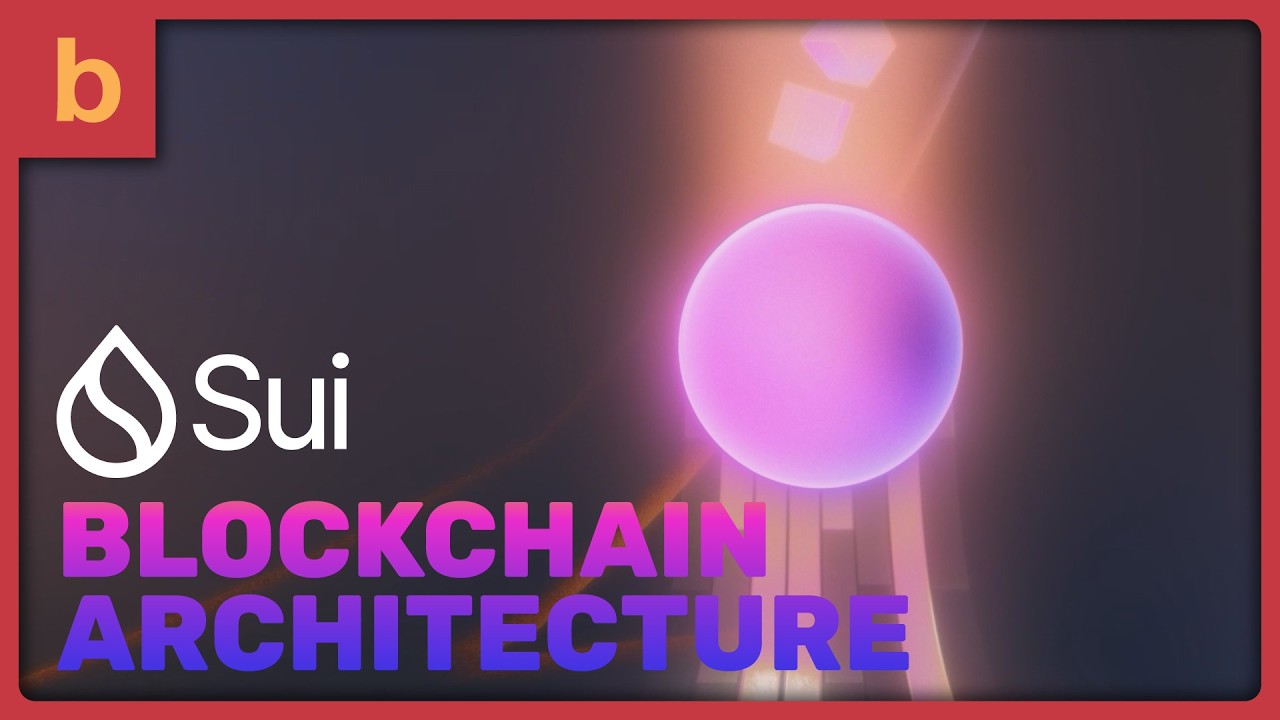
One of our recent projects was for Sui Network. Instead of focusing only on speed or scalability claims, the video broke down the network’s architecture visually: how transactions move through validators, how objects are processed, and why the parallel execution model matters.
We weren’t just saying “it’s fast.” We showed why it’s structured that way.
If they’ve seen (visually) that private keys are never requested, that approvals require specific wallet signatures, that transactions are irreversible, they’re far less likely to panic and send funds to a fake support account.
2. By Slowing Down Impulsive Decisions
We’ve all seen those urgent phrases, “Mint ends in 10 minutes” or “Claim now or lose rewards,” maybe also like “Limited whitelist spots.”
A well-crafted explainer video does the opposite. It slows the user down. When users feel informed instead of rushed, they make better decisions. And impulsive behavior is what scammers rely on most.
Instead of pushing them straight to “Connect Wallet,” a well-made explainer videos walks them through:
- What they’re about to approve
- What permissions are they granting
- What risks are involved
3. By Setting Clear Red Flags Upfront
One of the smartest things a crypto company can do is openly say, “We will never ask for your seed phrase.”
I’ve advised multiple crypto teams to include these statements directly in their explainer content and make sure this key phrase is not buried in FAQs no one reads.
When expectations are set clearly and visually, users remember them. And when a scammer shows up, the user immediately thinks, “Wait. This contradicts what I was told.”
4. By Building Trust Through Transparency
The more transparent a project is about how it works, the harder it is for scammers to imitate it convincingly.
When your explainer video clearly shows the team, the process, the infrastructure, even the user journey, you’re defining what “legit” looks like. And once users internalize that benchmark, low-effort scam clones become easier to spot.
We created a video for Axelar Network where we visually mapped what that actually meant. The goal was to demystify.
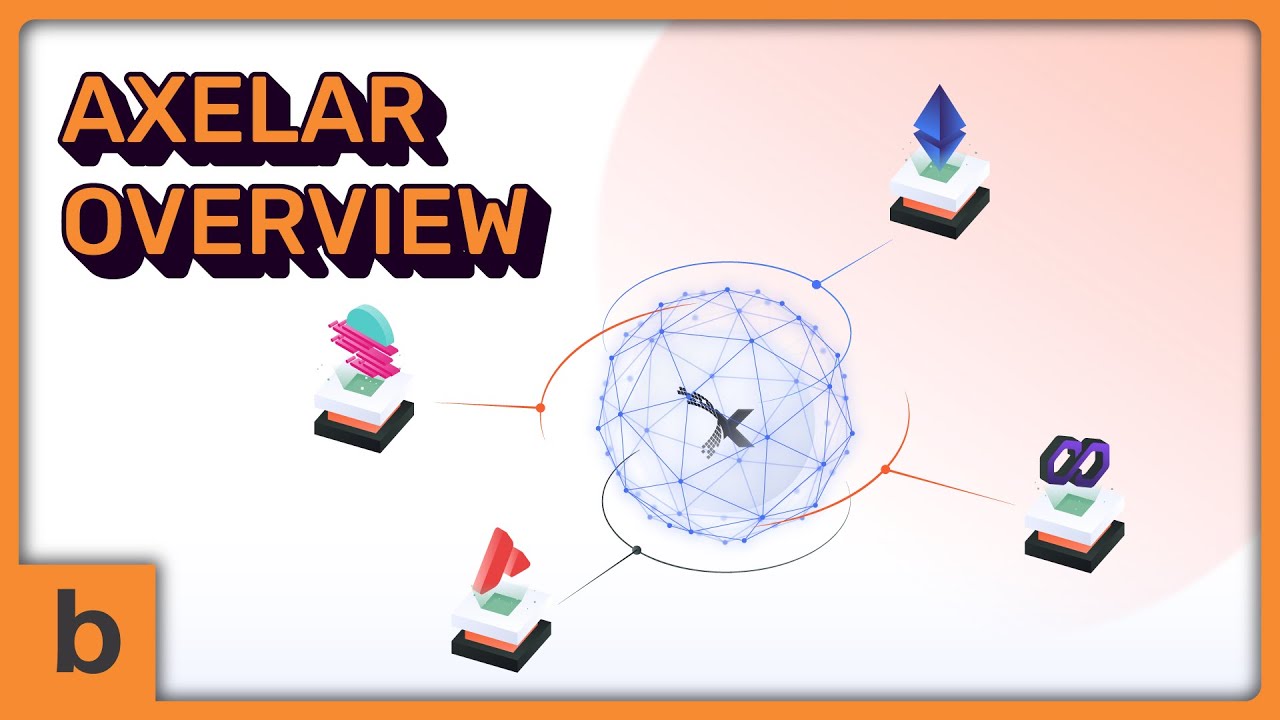
Using motion graphic animation, we showed how the decentralized validator network sits between blockchains, how messages are verified, and how assets move across ecosystems without relying on a single centralized bridge. We simplified the architecture into something structured and traceable.
What Should a Crypto Explainer Video Include to Actually Protect Users?
If your explainer only sells upside and skips risk, it’s incomplete. A protective explainer shows process, permissions, and potential mistakes.
This is where most crypto videos go wrong. They focus on:
- Fast transactions
- Low fees
- High APY
- “Next-generation infrastructure”
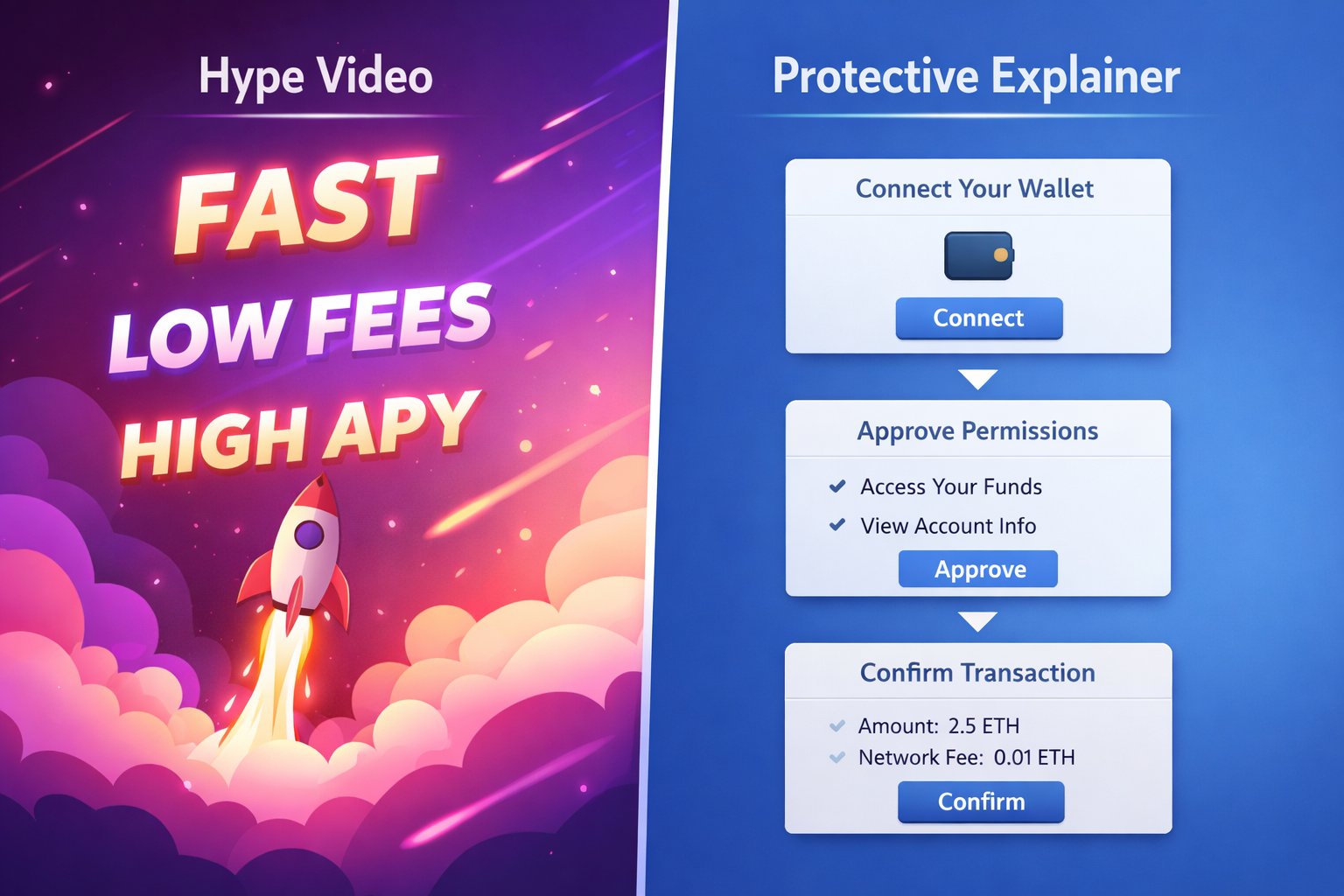
All great, though. But none of that helps a first-time user avoid getting drained. If the goal is protection, here’s what I’ve learned to include after years in this space:
Show the Real User Journey
I make sure to suggest to my clients to put these three steps in their videos, especially if it’s their first professional video:
- Connecting a wallet
- Approving permissions
- Confirming a transaction
Then we break them down in a less technical whitepaper way, but more like in a visual, story-driven way. We want to let users see what a legitimate approval screen looks like, so they’re more likely to notice when something feels off elsewhere.
Clearly Explain What the Product Cannot Do
This builds massive trust. Can funds be reversed? Is the protocol custodial or non-custodial? Who controls the smart contract?
When teams openly acknowledge limitations, it signals maturity. And mature projects are harder for scammers to impersonate.
Call Out Common Mistakes Before Users Make Them
Some founders worry this creates fear. It doesn’t. It creates preparedness. And preparedness is what separates informed users from vulnerable ones. I often recommend adding subtle but direct reminders like:
- “Always verify the URL before connecting.”
- “Never share your seed phrase, even with support.”
- “Double-check token contract addresses.”
Align Marketing With Reality
If your explainer promises “guaranteed returns” or oversimplifies risk, you’re unintentionally training users to ignore red flags elsewhere.
The tone matters.
In my experience, the safest crypto brands explain the clearest. They don’t really care about creating a buzz. They just want to show that they’re a legit project and build a genuine connection with potential users.
A protective explainer video conditions them to think critically inside your ecosystem and that’s one of the most underrated security layers in crypto.
Can an Explainer Video Replace Proper Security Education?
No. But it can become the gateway that makes users actually pay attention to security in the first place.
Let’s be clear. An explainer video is not a substitute for audits, documentation, or a solid security team.
What it can do is translate security from a buried PDF into something users actually absorb.
Most users don’t read documentation. They don’t read whitepapers. They barely read tooltips. But they will watch a 90-second video if it’s clear and relevant. That’s the opportunity.
An explainer can:
- Introduce security principles early in the onboarding journey
- Normalize safe behavior (like double-checking URLs)
- Frame caution as smart, not paranoid
It sets the tone.
From there, deeper education can live in help centers, tutorials, community calls, and documentation. But without that initial framing, most users never even realize what they should be careful about.
In other words, the explainer can’t be used as the entire security system. But it can be a powerful front door.
At What Stage Should Crypto Projects Invest in an Explainer Video?
Earlier than most founders think. Ideally, before scale. So not after something goes wrong.
I’ve had two types of clients over the years.
The first group comes in early. Pre-launch or right after MVP. They want to make sure users understand what they’re building before traffic starts flowing in.
The second group comes in after confusion has already caused damage, like support tickets exploding, users approving the wrong contracts, and people blaming the project for mistakes they didn’t understand.
Guess which situation is easier (and cheaper) to fix?
If you wait until after a phishing wave hits your community, you’re already in defensive mode. From experience, the smartest teams treat clarity as infrastructure.
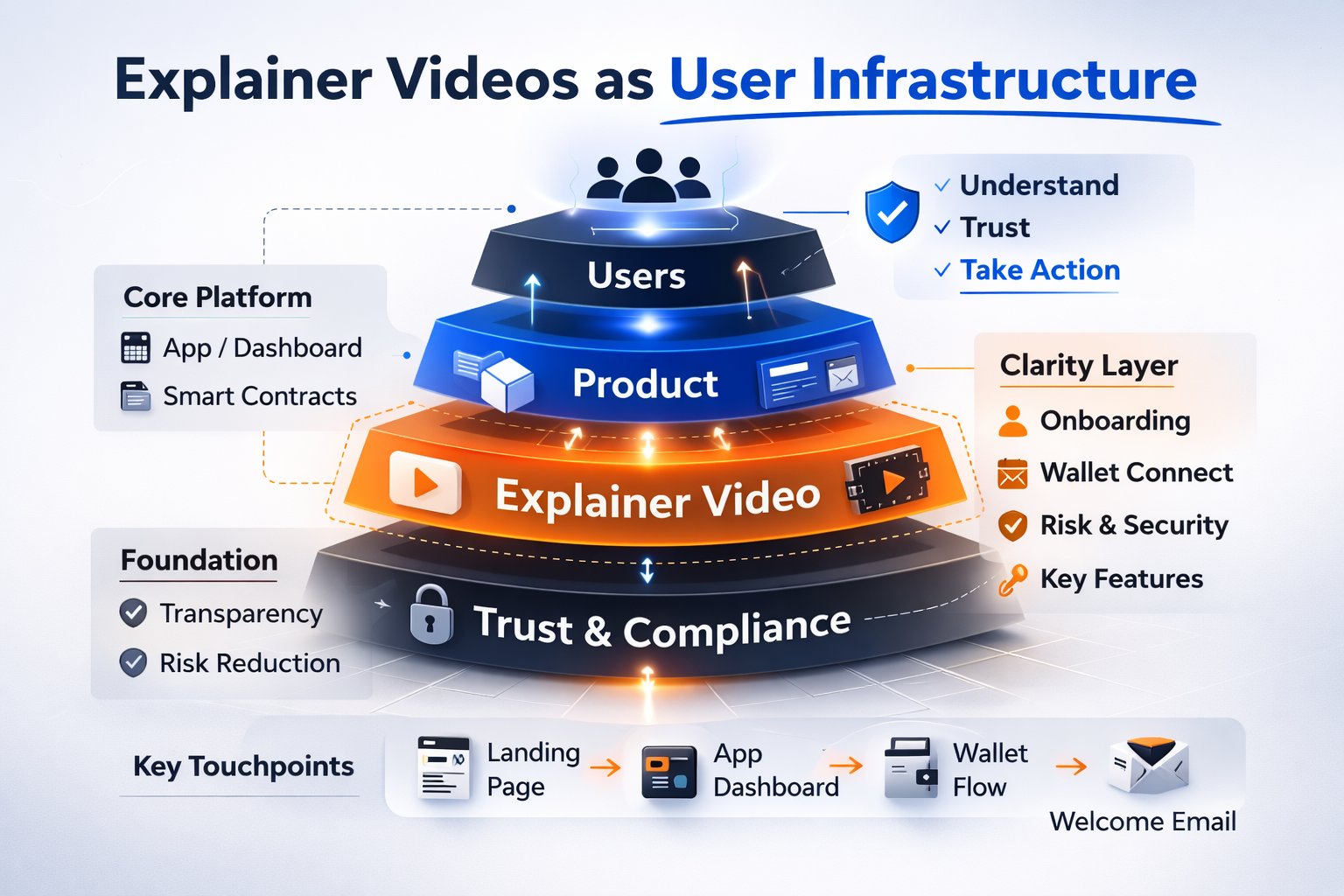
An explainer video works best when it’s part of onboarding from day one. When it’s embedded in:
- The landing page
- The app dashboard
- The wallet connection flow
- The email welcome sequence
I also wrote a deeper guide on this, where I asked fellow marketers which platforms they find most effective for placing explainer videos: Where to Put Your Explainer Videos That Drive The Best Results?
What Mistakes Do Crypto Teams Make When Creating Explainer Videos?
When a video focuses purely on big promises (e.g., high yields, seamless transactions, global disruption) without explaining mechanics, it unintentionally mirrors how scam projects communicate. Scams also lean heavily on excitement and aspiration. They rarely explain process.
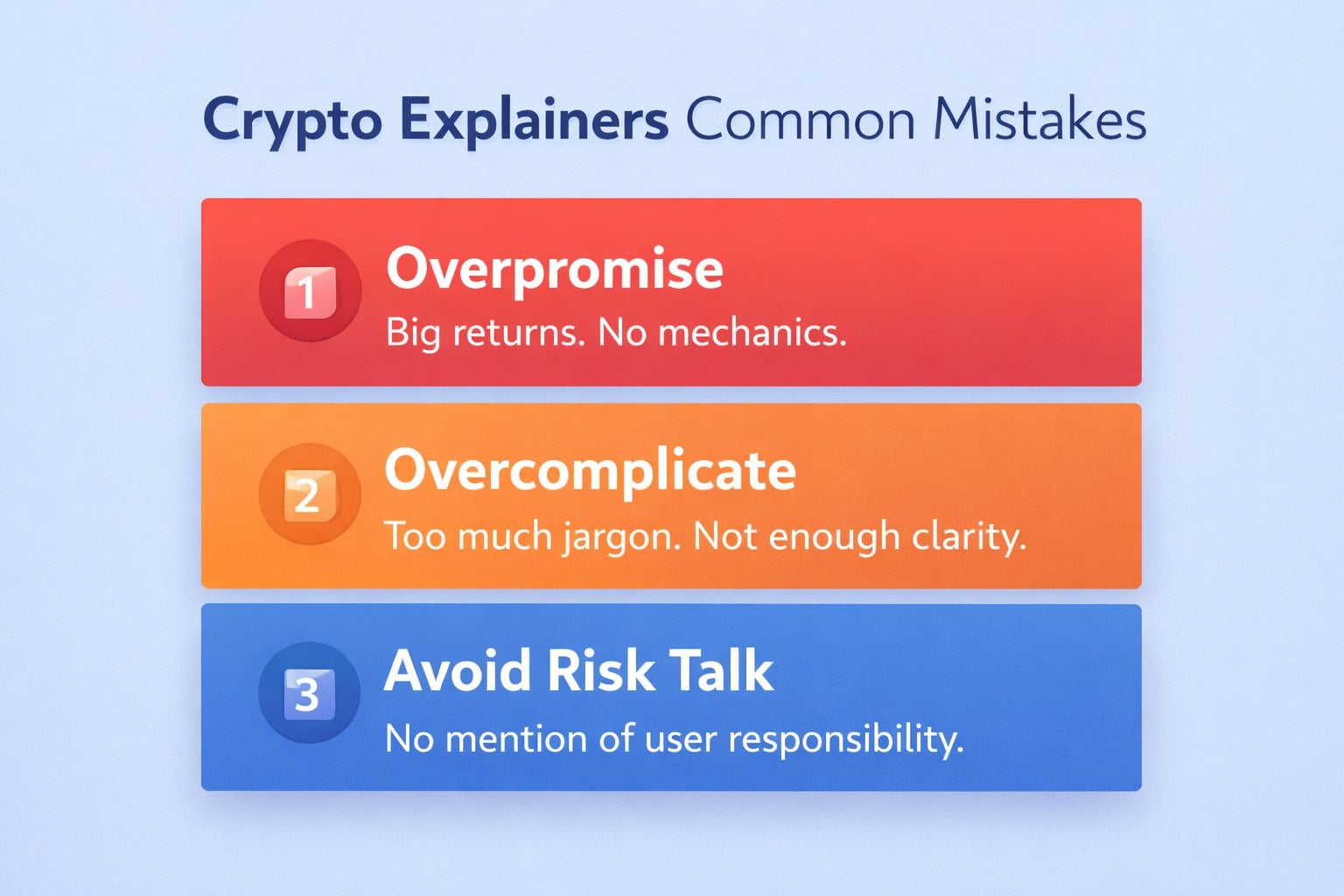
Overpromising and Oversimplifying
If your explainer makes everything sound effortless and risk-free, you’re unintentionally training users to ignore caution.
Crypto is powerful because it’s decentralized and permissionless. But that also means responsibility shifts to the user.
When videos gloss over that reality, users get blindsided later. And when something goes wrong, they don’t blame themselves. They blame the platform.
Talking Like Insiders
Founders live in the product. They forget what it feels like to be new.
The job of an explainer is less to impress crypto-native audiences, but more to make first-timers feel oriented.
So if your script is filled with terms like “cross-chain composability” and “non-custodial liquidity provisioning” without context, beginners will nod… and still not understand.
Confused users don’t ask questions. They click around quietly. That’s dangerous.
Avoiding Security Because It Feels “Negative”
This one is surprisingly common. Some teams worry that mentioning scams, phishing, or wallet risks will scare users away. So they keep the tone purely optimistic.
In reality, acknowledging risk makes you look mature. When a project openly says, “Here’s how to stay safe while using us,” it signals confidence. It tells users this team understands the environment they operate in.
The Takeaway: Make Understanding Your Competitive Edge
The crypto projects that last always make people feel oriented. Grounded. In control. That feeling doesn’t come from louder campaigns or flashier visuals. It comes from intentional communication.
If users feel smart while using your product, they stay longer. If they feel lost, they eventually leave, or worse, they get hurt.
Avoid seeing explainer videos as content. Start seeing them as user empowerment. I believe that when people feel capable, they act carefully. And careful users build resilient ecosystems.
Mini FAQs Explainer Videos for Crypto Projects
Should an explainer video target beginners or crypto-native users?
Ideally, beginners first. Crypto-native users will figure things out quickly. Beginners won’t. If your explanation works for someone completely new, it will still feel efficient for experienced users. The reverse is rarely true.
How long should a crypto explainer video be?
Long enough to create understanding. Short enough to hold attention. For most projects, that lands between 60-120 seconds for the core overview. More complex products can support additional layered videos, but don’t try to solve everything in one piece. I’ve written the whole guide on choosing the ideal duration of your explainer video here: What Is the Perfect Length for Your Explainer Video?
Is animation better than live-action for crypto?
In most cases, yes. Crypto products are abstract. You’re explaining invisible systems, digital assets, and blockchain processes. Animation allows you to visualize flows, permissions, and structures that can’t be filmed in real life.
Should the tone be serious or playful?
It should match the responsibility level of the product. If users are moving real money, the tone needs to feel steady and credible. You can still be modern and engaging, but avoid gimmicks that trivialize financial risk.
How often should a crypto explainer be updated?
Whenever the product meaningfully changes. New features, new tokenomics, new onboarding steps. If the experience shifts, the explanation should reflect it. Outdated visuals create hesitation, even if the platform itself is secure.